Derby Day Preview: Historic Rivalries, Key Moments, and What to Watch
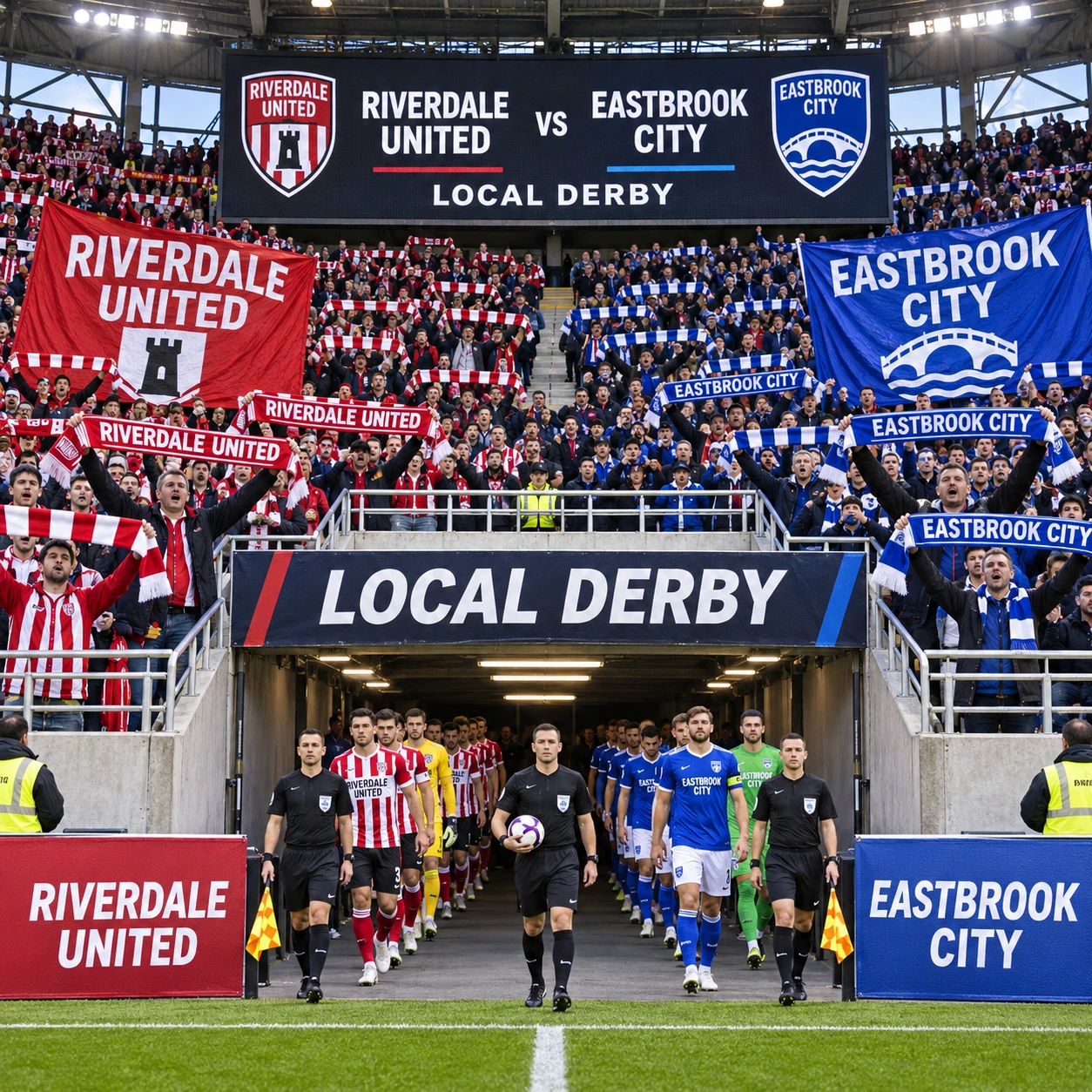
A derby can change the mood of a city long before kickoff. Familiar colours fill the streets, old results return to conversation, and every duel feels connected to a larger story. Yet history alone does not decide the next match. Form, selection, tactics and composure still matter.
Without a specific fixture, club names or current team news, this preview focuses on how to read a derby: what its history can tell you, which details to check before the teams meet, and how to separate established rivalry from matchday speculation.
Why this derby matters
A derby matters because it brings local identity, club history and sporting stakes into the same match. The result can carry meaning for supporters beyond the league table, while still affecting points, momentum and confidence.
Derbies often grow from proximity: clubs share a city, region or supporter base, and their fans encounter one another in everyday life. Some rivalries also reflect differences in tradition, class, religion or politics, but those roots vary from fixture to fixture. It is better to describe a rivalry through documented local history than to assume every derby has the same origin.
For supporters, the head-to-head record is part of the conversation, but it is rarely the whole story. A recent cup elimination, a last-minute equaliser or a season-defining win may feel more important than a broad tally spanning many decades. The stakes also change: a derby near the top of the table has a different urgency from one played while both clubs are rebuilding.
That tension is what makes the fixture compelling. Players face familiar opposition and an intense matchday atmosphere, but the practical challenge remains simple: make good decisions under pressure. A derby can be emotionally charged without becoming chaotic, and the teams that manage that balance often give themselves the clearest route to control.
The history behind the rivalry
The history behind a rivalry is usually a mix of local roots, repeated competition and a handful of meetings that supporters remember. Its meaning develops over time, so any historical account should distinguish verified milestones from fan folklore.
A useful way to understand a derby is to look at three layers. First, establish why the clubs are connected: geography, shared history or another documented source of rivalry. Second, trace the competitive pattern, including periods when one side dominated or when both regularly challenged for the same honours. Third, identify the matches that gave the fixture its emotional shorthand.
These layers matter because a rivalry is rarely fixed. Changes in league position, ownership, managers and generations of players can shift the balance. A fixture once defined by title races may later become a contest over local pride or league survival. Supporters may still refer to an older era, while the current squads have little direct connection to it.
When reviewing the head-to-head record, check the scope. League games, cup ties and neutral-site meetings are not interchangeable, and records can differ depending on the competitions included. The raw total is useful context, but it does not prove which team is stronger now. Recent results and current availability give a better sense of the immediate match-up.
Key moments that shaped the fixture
The defining moments of a derby are the matches that changed its story or gave supporters an enduring reference point. Without a named fixture, it would be misleading to assign a particular famous result to this preview.
When researching a specific meeting, look for turning points rather than simply collecting dramatic scorelines. A late winner can become part of a rivalry’s folklore; a cup tie may matter because it ended a run or sent one club through at the other’s expense. A red card, controversial decision or unexpected performance can also shape how fans remember a game, though accounts of disputed incidents should be attributed carefully.
To see whether an old result is relevant to the coming match, ask what carried over:
- Competitive consequence: Did the match decide a trophy, qualification or survival, or was its meaning primarily local?
- Playing pattern: Did one team expose a weakness that still appears in the current sides?
- Personnel: Are any players or coaches from that meeting still involved, or is the connection mainly historical?
- Supporter memory: Does the match still shape expectations and the atmosphere around this fixture?
Past meetings add context, not a script. A famous comeback might heighten anticipation, but it cannot tell you how today’s teams will defend a lead or handle a high press. The value lies in understanding why a moment still resonates and whether its footballing lesson applies now.
Current form and match context
Current form and match context show what each team brings into the derby: recent performance, available players and the stakes in the competition. Check those details close to kickoff, because a preview written without confirmed team news cannot reliably describe a club’s latest momentum.
Look beyond a simple run of wins and losses. Results can hide a change in performance: a team may be creating chances but finishing poorly, or collecting points while allowing opponents too many clear openings. Home and away form can also differ, especially when a side presses aggressively at its own ground but plays more cautiously on the road.
The fixture’s place in the schedule matters. A derby between two teams chasing the same objective may carry immediate table consequences. If one side has a cup match or demanding stretch of fixtures nearby, fatigue and rotation become relevant, though neither should be assumed without evidence. Injuries, suspensions and recent minutes are more useful indicators than broad claims about motivation.
Before kickoff, compare each team across four practical questions:
- Are their recent performances improving, declining or inconsistent?
- Which first-choice players are unavailable, doubtful or returning?
- What result does each club need in the wider league or cup context?
- Do their recent home and away performances suggest different approaches?
This keeps the preview balanced. A historic rivalry explains the emotion; the current context explains what the teams may actually try to do.
Players and tactical battles to watch
The key players and tactical match-up are the individuals and zones most likely to influence how the derby unfolds. Identify them from each team’s current role and style, rather than relying on reputation alone.
Start with the central areas. If one team builds through a deep-lying midfielder, the opponent may press that player to disrupt the first pass. If the other side uses a striker to pin centre-backs, the contest between that forward and the defensive line can determine whether attacks develop or break down early. The exact names depend on the confirmed line-ups, but the underlying question is consistent: which team can make its preferred first phase work?
Wide areas often create the next decisive test. A full-back may face a quick winger in repeated one-on-one situations, while an overlapping run can force the opposing wide player to track back. Watch whether the winger receives the ball facing forward or with a defender already tight. That small difference can decide whether a team progresses into the final third or recycles possession.
Derbies can also raise the value of set pieces. A side that struggles to create open-play chances may look to corners, free kicks and long throws. The other team must defend the first contact and the loose ball that follows, not just the delivery.
For a useful live read, watch three things in the opening stages: the height of each press, the space behind the full-backs and whether either team can find its forwards quickly. Those clues reveal tactical intent before the match settles into a pattern. A bold press can win the ball high, but it leaves space to defend if the first line is bypassed.
What could shape the result
Home advantage, discipline, set pieces and emotional control can all shape a derby result. None guarantees an outcome; their influence depends on how each team responds to the specific conditions of the match.
A home crowd can lift the tempo and help a team sustain pressure, especially after a strong start or a key tackle. It can also increase expectation. If the home side rushes forward to satisfy the atmosphere, it may leave gaps for counterattacks. Home advantage is therefore a resource to manage, not a substitute for sound decisions.
Discipline is another swing factor. A mistimed challenge or prolonged argument can produce a booking that changes how a player defends for the rest of the game. Teams need aggression in duels, but unnecessary fouls near the box and retaliation after a whistle give the opponent cheap opportunities. The referee’s threshold for contact may influence the rhythm, so players must adapt early.
In a close contest, set pieces and transitions can matter more than possession totals. A corner defended poorly or a loose pass in midfield may create the clearest chance of the match. Coaches can reduce those risks by keeping enough players positioned to protect against a counter and by assigning clear roles for second balls.
For supporters, the most useful approach is to watch how the game changes after its first major event: a goal, a booking, an injury or a tactical substitution. The initial plan matters, but the response often reveals which side is better prepared to handle the pressure.
Derby day preview: frequently asked questions
These answers explain what defines a derby, how to assess memorable meetings and what to watch during the match. For fixture-specific history or player news, consult reliable club and competition records before kickoff.
What makes this fixture a derby?
A fixture is generally called a derby when the clubs have a close geographic connection, such as sharing a city or region. Some rivalries have other historical roots, so the label and its significance depend on the clubs and their supporters.
Which past meeting is most memorable?
There is no universal answer without knowing which derby is being discussed. Fans may choose a decisive cup tie, a late winner or a result with major league consequences; compare contemporary reports and official records when checking a specific claim.
What should fans watch for in this match?
Watch the pressing shape, the battles in wide areas, set-piece defending and how each side reacts to setbacks. Confirmed line-ups and recent availability can help identify which individual match-ups matter most.
How might the derby atmosphere affect the game?
The atmosphere can raise energy and intensify the opening stages, but it can also encourage rushed decisions. The team that channels that pressure into focused pressing and disciplined defending may gain an advantage without losing its shape.