World Cup Qualifier Predictions: Which Teams Will Advance, Struggle, and Surprise?
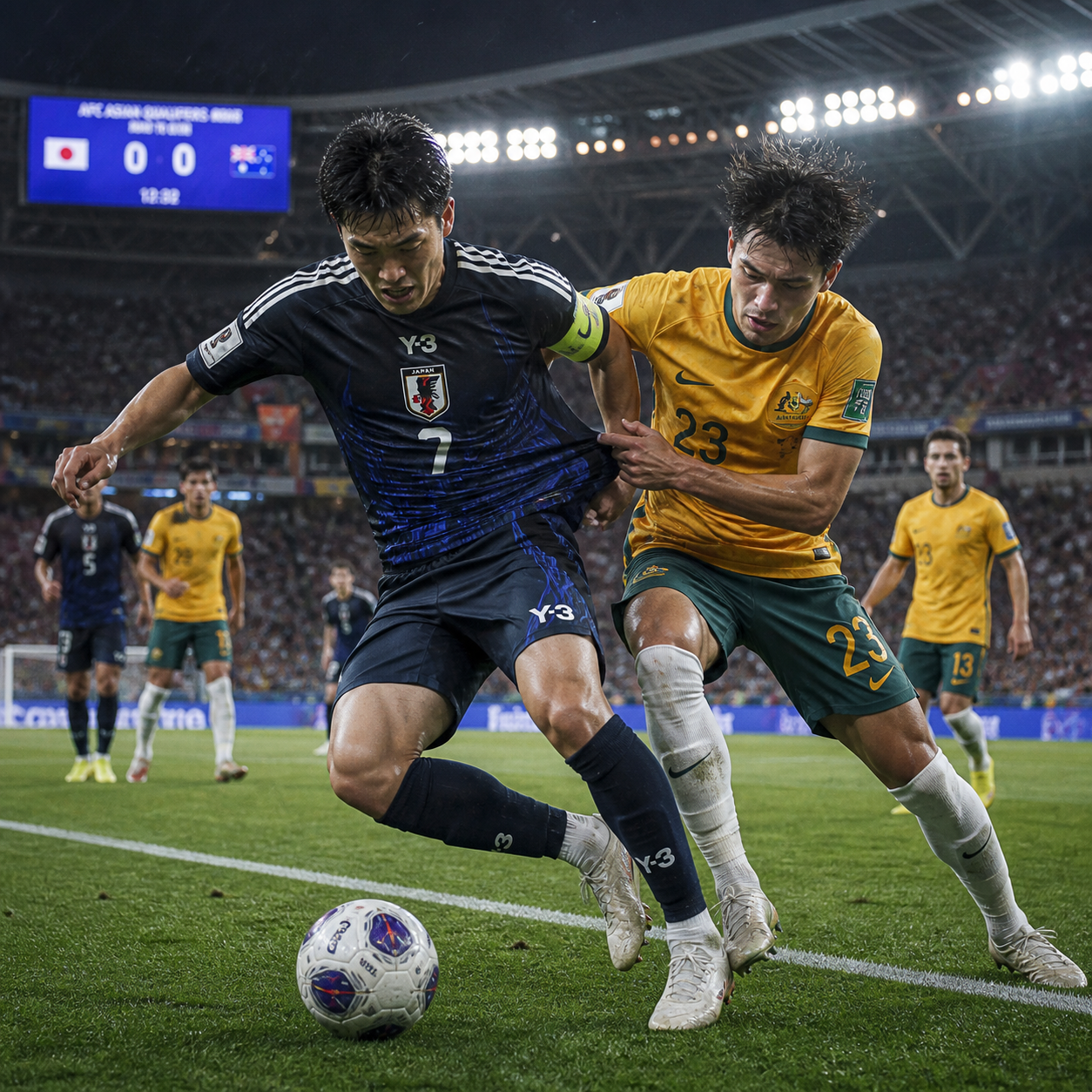
World Cup qualifying is where reputations get tested and assumptions collapse. Every cycle throws up at least one nation that coasts through untroubled and another that stumbles badly enough to miss the tournament entirely. The upcoming qualifying rounds are shaping up to be no different — and in several zones, the margins between automatic qualification, a playoff scramble, and early elimination are razor-thin.
This analysis breaks down each FIFA qualifying zone, identifies the teams likely to seal their spots early, flags those under genuine pressure, and makes the case for a handful of dark horses worth watching closely.
Why These Qualifiers Matter More Than Ever
The stakes in this qualifying cycle are unusually high because the expanded 48-team World Cup format has shifted the math — but not as much as some teams assumed it would. More spots are available, yet the number of competing nations has grown proportionally, meaning the path to qualification remains genuinely competitive across most zones.
For teams currently sitting on the playoff bubble, these upcoming fixtures are not just important — they are potentially decisive. A single away defeat in a difficult fixture can collapse a team's goal difference buffer and push them into a tiebreaker scenario. Goal difference and head-to-head records have already separated teams in multiple groups this cycle, and that pattern will only intensify as the final rounds approach.
There is also a psychological dimension that pure statistics miss. Teams that have never qualified before carry a different kind of pressure than established nations managing expectations. Manager decisions under that pressure — rotation, tactical conservatism, lineup gambles — often determine outcomes more than squad quality alone.
Breaking Down the Key Qualifying Zones
Each FIFA qualifying zone operates under different structures, slot allocations, and competitive pressures, which makes zone-by-zone analysis essential rather than optional.
UEFA remains the most densely competitive zone. With 16 direct qualification spots and four additional playoff berths, European qualifying rewards consistency over a long campaign. The Nations League pathway has added a second route to the playoffs, which means teams with poor group stage form can still survive — but only if they performed well in the Nations League. That dual-pathway structure creates genuinely complex qualification scenarios.
CONMEBOL operates as a single ten-team round-robin, which is arguably the most brutal format in world football. Six spots are available (including one playoff place), and the standings shift dramatically after each matchday. No team in South American qualifying is ever truly safe until the final whistle of the final round.
CAF has expanded its allocation significantly for the 2026 cycle, with nine direct spots available across a group-then-playoff structure. African qualifying has become more competitive at the top end, with several nations now capable of threatening traditional powerhouses on home soil.
AFC and CONCACAF both feature formats where home advantage is a measurable factor. AFC's third-round groups have produced several surprises already, while CONCACAF's Hex-style final round consistently generates high-pressure fixtures where travel and climate conditions affect outcomes as much as tactical preparation.
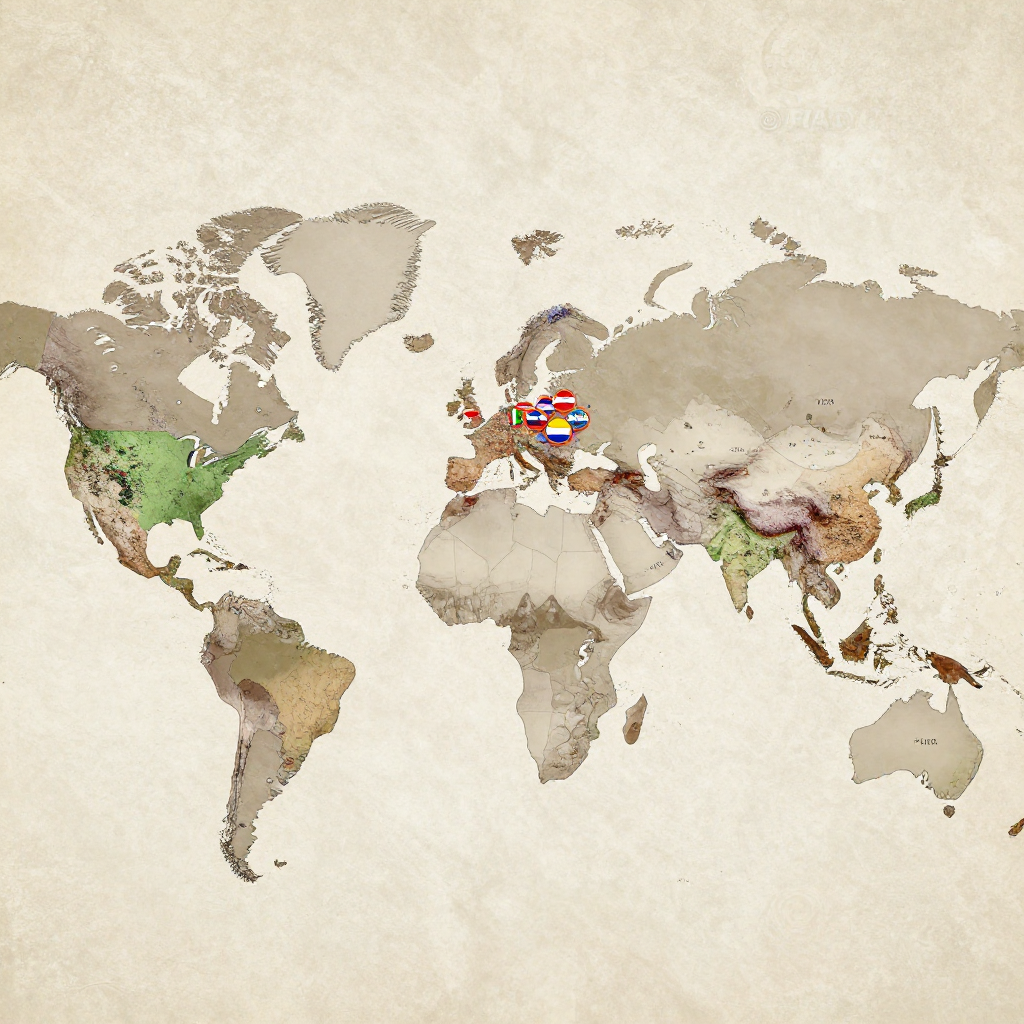
Teams Most Likely to Secure Qualification Early
Several sides have built enough of a points cushion and hold sufficiently favorable remaining fixtures to make early qualification a realistic expectation rather than wishful thinking.
In UEFA, the nations currently sitting five or more points clear in their groups with home fixtures remaining against lower-ranked opponents are in the strongest position. Squad depth matters here — teams that can rotate without a significant drop in quality are better placed to handle fixture congestion without accumulating yellow cards or risking key players to fatigue injuries.
In CONMEBOL, the top two or three sides in the standings heading into the final third of the campaign have historically held their positions. Teams with strong home records in altitude venues — where visiting sides routinely underperform — carry a structural advantage that standings alone don't fully reflect.
The teams closest to early qualification share a few common traits: a settled tactical system, a reliable goalkeeper, and at least one creative midfielder capable of unlocking defensive blocks. When those elements align with favorable fixture scheduling, the path to qualification becomes much clearer.
The Danger Zones: Teams Under Pressure to Perform
The most analytically interesting teams in any qualifying campaign are those sitting in the playoff positions — close enough to automatic qualification to believe, but vulnerable enough to drop into elimination territory with two poor results.
Several sides currently occupying third or fourth place in their groups face a specific tactical problem: they need to win away from home against opponents who are well-organized defensively and have little to lose. That combination — pressing intensity against a low block, with the psychological weight of needing a result — is exactly where tactically rigid teams struggle most.
Injury concerns compound the problem. A team missing its first-choice striker or a key defensive midfielder has to solve a tactical puzzle while also managing the pressure of a must-win fixture. Manager decisions in these moments — whether to play a recovering player at 70% or trust a less experienced replacement — often define careers as much as tournaments.
The intercontinental playoff route offers a lifeline, but it is not a comfortable one. Teams that finish in playoff positions face opponents from unfamiliar tactical traditions, often on neutral ground, with limited preparation time. Treating the playoff route as a fallback rather than a genuine threat is a mistake several nations have made and regretted.
Predicted Upsets and Dark Horses to Watch
The most analytically grounded upset predictions come from identifying mismatches between reputation and current form — not from hoping for chaos.
In CAF, at least two nations currently ranked outside the top 50 globally have shown tactical sophistication and home-venue dominance that makes them genuinely dangerous against higher-ranked opponents. Their pressing systems, built around high defensive lines and quick transitions, have exposed the slower build-up play of more established African sides.
In AFC, several West Asian nations have invested heavily in coaching infrastructure and youth development over the past four years. The results are beginning to show in qualifying, where their squad selection depth at the under-23 level is translating into senior squad options that didn't exist in previous cycles.
The dark horse formula tends to follow a pattern: strong home record, a tactically coherent system under a manager with at least two years of continuity, and an upcoming fixture against an opponent dealing with internal selection disputes or managerial uncertainty. When those factors converge, upsets stop being surprises and start being predictable.
Key Matches That Could Define the Qualifying Picture
Certain fixtures carry disproportionate weight in shaping the final qualifying picture, and identifying them in advance is more useful than reacting after the fact.
The highest-stakes fixtures share a structural characteristic: both teams need points, neither can afford to play conservatively, and the home advantage is significant enough to make the away team's tactical approach genuinely difficult. Those conditions produce open, high-intensity matches where individual errors and set-piece execution often decide outcomes.
In UEFA, the direct clashes between second and third-placed teams in tightly contested groups are the ones to watch. A single result in those fixtures can separate automatic qualification from a playoff scramble. Tactical systems built around high pressing are particularly effective in these matches because the opponent's anxiety about losing leads to rushed distribution under pressure.
In CONMEBOL, the altitude fixtures — particularly those played above 3,000 meters — consistently produce results that surprise observers who rely solely on FIFA rankings. Visiting teams from sea-level nations have measurably worse performance metrics in those conditions, and the data supports treating those fixtures as near-home advantages for the host.
Final Predictions: Who Makes It, Who Misses Out
Based on current standings, fixture difficulty, squad availability, and tactical form, here is a zone-by-zone forecast — stated as evidence-based probabilities rather than certainties.
- UEFA: The top seeds in each group are overwhelmingly likely to qualify automatically. The genuine uncertainty sits in the second-place races, where four or five groups have teams separated by three points or fewer. Expect at least two nations currently projected as automatic qualifiers to end up in the playoffs due to dropped points in away fixtures against mid-table opposition.
- CONMEBOL: The top four in the current standings are the most likely qualifiers, but the fifth and sixth positions will almost certainly change hands multiple times before the final matchday. The playoff spot is genuinely open to five different nations depending on results in the final three rounds.
- CAF: The expanded allocation means fewer genuine shocks at the group stage, but the knockout playoff rounds within the zone will produce at least one significant upset. A nation currently ranked outside the top 60 globally has a realistic path to the World Cup.
- AFC: Two or three nations will seal qualification before the final matchday. The third-round groups are competitive enough that goal difference could determine which teams advance — making high-scoring home wins strategically important, not just morale-boosting.
- CONCACAF: The format rewards consistency over brilliance. Teams with strong defensive records and reliable home form are better placed than those relying on attacking output, because the travel demands and climate variation across the region punish tactically one-dimensional sides.
The intercontinental playoffs will, as always, produce at least one result that reshapes how we think about the relative strength of different confederations. They are worth following closely.
Frequently Asked Questions
What happens if teams finish level on points in World Cup qualifying?
When teams finish level on points, FIFA's tiebreaker rules apply in a specific sequence: head-to-head points between the tied teams, then head-to-head goal difference, then head-to-head goals scored, then overall goal difference, then overall goals scored, and finally FIFA ranking or drawing of lots if all else remains equal. Head-to-head record is the first tiebreaker in most zones, which makes direct clashes between close rivals particularly high-stakes.
How do intercontinental playoffs work?
Intercontinental playoffs bring together teams that finished in playoff positions from different confederations. They are typically played as two-legged ties (home and away), with the aggregate score determining which team advances to the World Cup. The format has produced some of the most dramatic matches in qualifying history because the tactical and stylistic contrasts between confederations create unpredictable dynamics.
Which qualifying zone is considered the most competitive?
CONMEBOL is widely regarded as the most grueling zone relative to available spots. Ten nations compete in a single round-robin for six places (including one playoff berth), meaning every team plays every other team home and away. There is no group stage buffer — a bad run of form immediately affects your qualification prospects.
Can a team still qualify after losing early matches?
Yes, though the math becomes significantly harder. In group-based formats, early losses compress a team's margin for error in later fixtures. Teams that lose their first two matches need to win the majority of remaining games and hope other results go their way. It happens — but it requires both consistent performance and favorable external results, which is a difficult combination to rely on.
What is the difference between automatic qualification and playoff routes?
Automatic qualification means a team secures their World Cup place directly through their group or zone standings, without needing to play additional matches. Playoff routes require further matches — either within the same zone or against teams from other confederations — to determine the final qualification spots. Playoff routes introduce additional risk, additional fixtures, and the psychological pressure of knowing one defeat ends the campaign entirely.