Planning a Mallorca Yacht Trip from the US in 2026: Day Charter or Multi-Day, Skippered or Bareboat, and How to Choose an Exclusive Yacht Charter in Palma de Mallorca
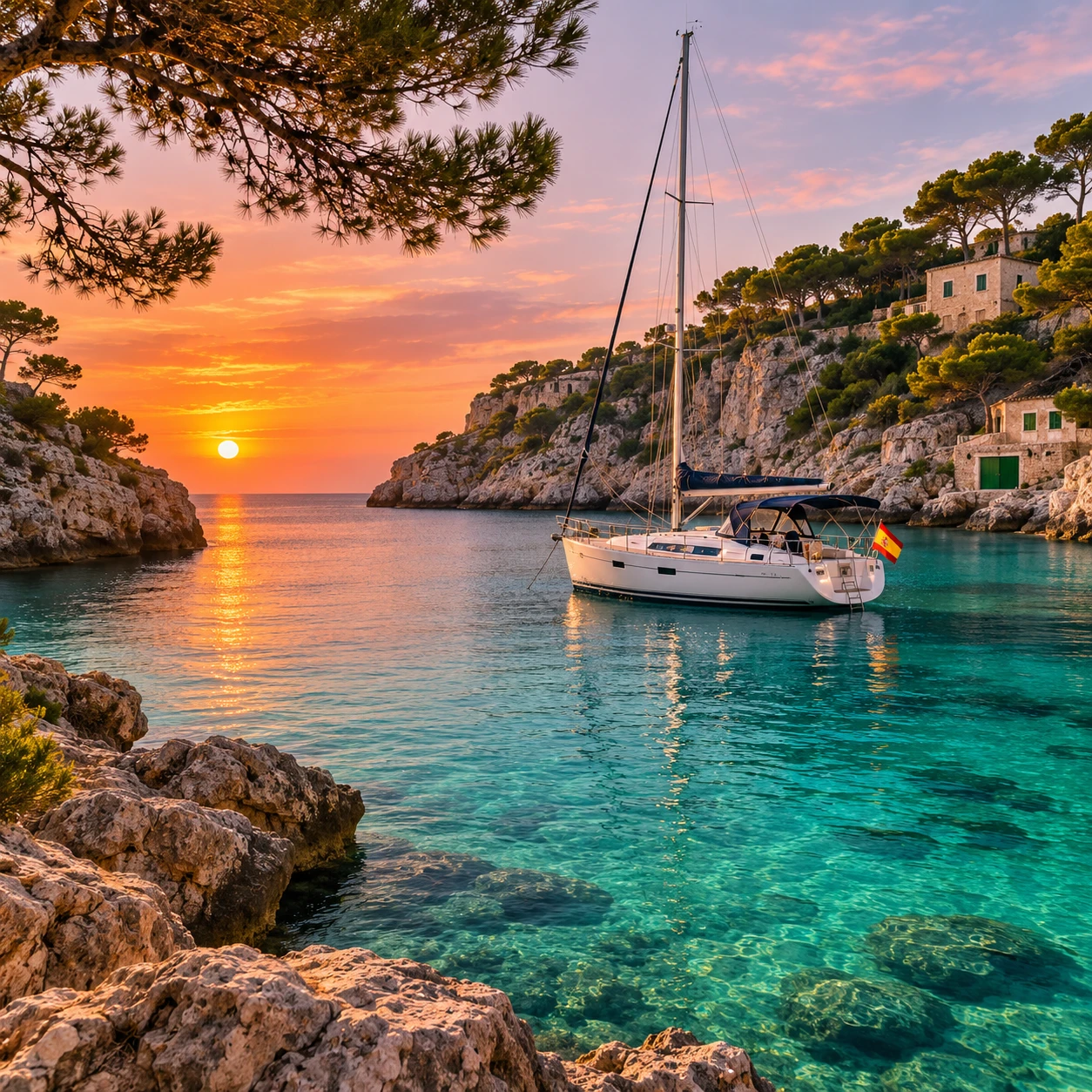
Every year I talk with American travelers who want one thing from Mallorca: a day or a week on the water, far from the crowded beach clubs. In 2026 that's easier than ever. Flights from New York, Boston, Miami and other big US hubs reach Palma either nonstop in season or with one stop in Madrid, Barcelona or a major European airport. The Balearic waters are generally calm, and Palma is one of the Mediterranean's busiest and best-equipped yachting bases.
Before you book anything, you've got three decisions to make. Day charter or multi-day trip? Skippered boat or bareboat? And which operator do you trust? I'll walk through each one the way I'd explain it to a friend flying over from the States.
Why Mallorca Works So Well for a US Yacht Trip in 2026
Mallorca is Spain's largest Balearic island, and getting there is straightforward. Palma is six to nine hours ahead of US time zones depending on where you start, so an evening departure usually puts you on the island by the next morning or early afternoon. Plan your first day lightly. Jet lag and a boat deck in full sun don't mix well (I've watched it go badly more than once).
The main sailing season runs from May to October. Within that window, crowds and prices shift quite a bit. May, June and September tend to be quieter and cheaper, while July and August bring peak demand, higher rates and busier anchorages. I'd expect the same pattern again in 2026.
The variety is what makes the island special. From Palma you can reach small rocky coves on the southwest coast, the long sandy bays toward the south, and the protected waters of Cabrera National Park. On a longer trip, Menorca, Ibiza and Formentera are all realistic targets, each with its own character.
Best Time to Sail and What to Expect Weather-Wise
- May: Pleasant air, sea still cool (roughly 18 to 19°C). Fewer boats, good for relaxed cruising.
- June: Warmer water, long days, and rates that haven't peaked yet. One of my favorite months.
- July and August: Hottest and busiest. Sea temperatures reach the mid-20s Celsius, and sea breezes build in the afternoon.
- September: Warm water left over from summer, thinner crowds, and often very good conditions.
- October: Possible, but weather becomes less predictable and some services wind down.
The Tramontana, a northerly wind, can make the north coast lively. A good captain will simply shift your plan to the sheltered side of the island, no drama. Afternoon sea breezes are normal in summer. For peak dates, I'd tell US travelers to book several months ahead; for shoulder season, a few weeks to a couple of months is often enough.
Day Charter or Multi-Day Charter: Which Fits Your Trip?
A day charter suits short stays, families, first-timers and visitors based in a hotel or arriving on a cruise. It keeps the budget contained and lets you find out whether you actually enjoy time on a boat. A multi-day charter suits island-hopping, sleeping aboard, birthdays, anniversaries and groups who want the boat to be the trip itself.
Here's a simple way to think about it. If Mallorca is one stop on a wider European itinerary, a day charter fits neatly. If the yacht is the reason you're crossing the Atlantic, go multi-day. Simple as that.
What a Day Charter in Mallorca Typically Includes
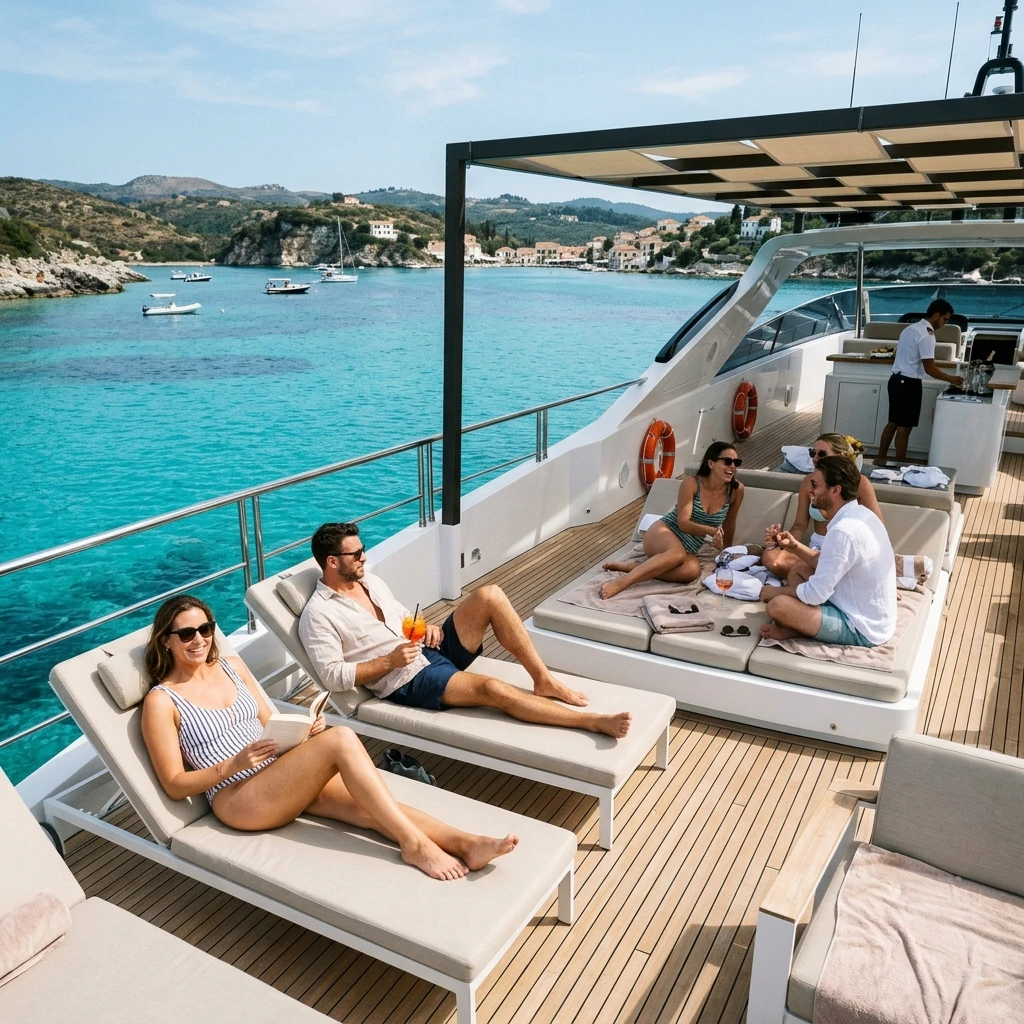
Most day charters run about six to eight hours, often with a morning departure from Palma. Typical routes head out of Palma Bay toward the coves along the southwest, with time to swim, snorkel and anchor for lunch. Onboard you'll usually find shaded seating, a sun deck, music, and basic water toys.
Food and drinks vary. Some trips include a light lunch and drinks, while others let you arrange catering in advance. If you'd like to see sample itineraries and options, there's a dedicated page for it at https://yeska.es/day-charter-mallorca/.
When to Upgrade to a Multi-Day Itinerary
If you catch yourself wishing you could simply stay out there, go longer. Here are sample shapes for multi-day trips:
- 3 days: Palma, the southwest coves, then Cabrera and back. Easy to fit into a long weekend.
- 5 days: Add the east coast and a night at anchor in a quiet bay.
- 7 days: Cross to Menorca, or head toward Ibiza and Formentera, with overnight stops along the way.
Always leave a spare day or flexible legs. Wind decides more than any schedule does, and the best itineraries bend around it.
Skippered vs. Bareboat: Choosing the Right Level of Control
The core difference is simple. A skippered charter comes with a professional captain, and often crew, who handle navigation, anchoring and docking. A bareboat charter means you're the captain, with full responsibility for the vessel and everyone aboard.
Bareboat requires proof of competence. Spanish authorities generally expect a recognized qualification for the size and type of boat, and US credentials aren't automatically accepted everywhere. Operators typically ask for a sailing résumé and the relevant certificates, so confirm exactly what they'll accept well before you travel. Bareboat also usually involves a security deposit and carries real liability if something gets damaged, so read the insurance terms closely.
Local knowledge matters too. Anchorages in Mallorca can be crowded in summer, marina rules vary, and Posidonia seagrass meadows are protected in the Balearics. Anchoring in the wrong spot can bring fines and damage a fragile ecosystem. A local skipper knows where you can drop the hook safely.
- Skippered suits: first-timers, families, groups who want to relax, and anyone without current Mediterranean experience. It costs more upfront but removes stress and risk.
- Bareboat suits: experienced, certified sailors who enjoy running the boat and want to control costs.
Still torn? I wrote up a deeper side-by-side look at https://yeska.es/skippered-vs-bareboat-charter/ that covers the trade-offs in more detail.
Budgeting for Your Mallorca Charter in 2026
The headline rate is rarely the whole bill. Plan for these components:
- Base charter rate: The boat and, if applicable, the crew.
- Fuel: Often charged separately, and it varies with distance and speed.
- Marina and mooring fees: Higher in peak season and in popular harbors.
- VAT and tourist taxes: Confirm whether quoted prices include them.
- Crew gratuity: Customary on crewed trips; many guests tip based on service.
- Provisioning: Food, drinks and any catering.
- Extras: Water toys, a private chef, airport or hotel transfers.
Quotes will typically be in euros, so watch the USD/EUR rate and check how your card handles foreign transaction fees. To avoid surprises, ask for a written breakdown that spells out what's included and what's billed afterward.
How to Choose an Exclusive Yacht Charter in Palma de Mallorca
'Exclusive' should mean something concrete. In practice, I look for a well-maintained, limited fleet, personal service, transparent pricing, and itineraries tailored to your group rather than crowded shared departures. An operator that treats your day as private, and knows the island well, is what the word should promise.
Yeska is one example of this approach; you can see how an exclusive yacht charter palma de mallorca experience is set up on their site.
Use this vetting checklist with any company:
- Proper licensing and registration for commercial charter
- Valid insurance covering passengers and the vessel
- Recent, verifiable reviews
- English-speaking staff and clear communication
- Written cancellation and weather policies
- Up-to-date safety equipment: life jackets, flares, first aid, radio
Questions to Ask Before You Book
- What exactly is included in the price, and what is extra?
- How large is the deposit, and when is it refunded or due?
- What are the skipper's credentials and experience?
- What happens if weather forces a change of route or a cancellation?
- Which payment methods work for US customers, and in which currency?
Common Mistakes US Travelers Make When Booking a Yacht Charter
- Booking too late for July and August dates, when the best boats go first.
- Underestimating costs by ignoring fuel, fees and provisioning.
- Choosing bareboat without enough Mediterranean experience or the right paperwork.
- Overpacking the itinerary and spending the day motoring instead of swimming.
- Ignoring weather and sea state instead of trusting the captain's call.
- Skipping travel insurance, which matters for trips this far from home.
- Not confirming passenger limits and documents, including passports and ID for everyone aboard.
Quick Planning Checklist and Final Thoughts
Here's the short version, in order:
- Pick your duration: a day charter or a multi-day trip.
- Pick your crew level: skippered or bareboat.
- Pick a reputable operator using the checklist above.
- Confirm the details in writing: costs, deposit, policies, passenger list.
- Book early, especially for summer 2026.
Get these steps right and the rest mostly takes care of itself. Start planning now, and you could be anchored in a quiet Mallorcan cove, swimming in clear water, before the season is out.