In-Depth Tactical Analysis of the Champions League Final
Match Overview and Context
The Champions League final is the pinnacle of European club football, showcasing two elite teams competing for continental glory. This season's finalists featured contrasting styles and rich tactical histories, heightening anticipation for a strategic chess match on the pitch. Pre-match discussions centered around their formations, pressing intensity, and adaptability under high stakes.
The match pitted a possession-oriented side known for their 4-3-3 setup against a disciplined opponent deploying a flexible 3-5-2 formation. Coaches emphasized exploiting weaknesses in transitional defense and maximizing midfield control. Understanding these expectations is essential before dissecting the in-game tactical execution.
Starting Formations and Setup
The initial formations set the tactical framework and revealed each team’s strategic priorities. The possession-focused team deployed a classic 4-3-3, emphasizing wide wingers to stretch the opposition and a midfield trio tasked with controlling tempo and linking defense to attack.
Conversely, the opposition adopted a 3-5-2 formation, shifting wing-backs aggressively to support attacks while maintaining three center-backs for defensive solidity. This setup aimed to congest central areas and disrupt the opponent’s midfield dominance.
Personnel choices aligned with these tactics: the possession team fielded creative midfielders with technical range, while the 3-5-2 side relied on disciplined defenders and energetic wing-backs capable of rapid transitions.
First Half Tactical Battle
The first 45 minutes featured a nuanced tactical battle where each side implemented their strategies with varying success. The team in 4-3-3 controlled possession early, maintaining around 62% to dictate play rhythm and circulation. Their midfield trio excelled at quick, short passes and creative movement, seeking to penetrate the opposition’s dense central block.
However, the 3-5-2 formation proved effective in compacting the midfield, forcing the possession team to seek wider attacking lanes. The wing-backs exploited this by providing overloads on the flanks, initiating quick counter-attacks upon turnover.
High pressing emerged intermittently, with the 3-5-2 side attempting to disrupt build-up play, but the possession team adapted by incorporating more diagonal passes and dropping a midfielder between center-backs to bypass pressure.
Key Player Performances and Roles
The tactical impact of certain players proved decisive. The possession team’s central midfielder orchestrated play with precise distribution and positioning, effectively acting as a deep-lying playmaker. His ability to evade opponents’ presses created critical passing lanes and tempo shifts.
On the opposing side, the wing-backs were pivotal, executing rapid transitions from defense to attack that unsettled the opponent’s shape. Their stamina and tactical intelligence allowed them to cover large areas, providing width defensively and creativity offensively.
The strikers of both teams offered contrasting threats: the 4-3-3 team’s center-forward pressed aggressively to force errors, while the 3-5-2 duo operated with greater mobility, exploiting spaces between defenders with well-timed runs. Their effectiveness varied according to the defensive organization faced during the match.
Second Half Adjustments and Coaching Decisions
After halftime, both coaches introduced tactical tweaks to address first-half challenges. The possession-oriented coach switched to a more dynamic midfield by substituting a defensive midfielder for a creative box-to-box player, increasing forward momentum and late runs into the box.
The 3-5-2 team shifted their shape to a 5-3-2 in defensive phases, with wing-backs dropping deeper to form a back five, enhancing defensive compactness and counter-attack readiness. This adjustment effectively stifled the opponent’s central penetration attempts.
Substitutions included impact players who altered tempo and pressing intensity. One notable change was introducing a high-energy winger for the possession team, increasing width and forcing the opposition to adapt their man-marking responsibilities.
Coaching decisions during this stage illustrated a blend of reactive and proactive strategies aimed at controlling momentum shifts and exploiting emerging vulnerabilities.
Critical Moments and Turning Points
The match's outcome hinged on a few pivotal events that reflected tactical mastery and individual brilliance. A defining moment came from a swift counter-attack initiated by the 3-5-2 team’s wing-back, who outpaced the defense and delivered a precise assist for the opening goal. This sequence highlighted the value of well-practiced transitional plays in high-stakes matches.
Later, a set-piece moment underscored the importance of strategic preparation: the possession team capitalized on a cleverly designed free-kick routine that caught the defenders out of position, leading to an equalizing goal.
Defensive organization played an outsized role in the closing phases, as both teams tightened lines and minimized spaces, reducing clear-cut scoring opportunities. Tactical fouls and game management also influenced the tempo, with coaches urging composure and focus until the final whistle.
Conclusion: Tactical Lessons and Takeaways
This Champions League final displayed advanced tactical themes central to modern football. The contrasting formations underscored how diverse approaches—possession dominance versus defensive resilience and quick transitions—can both create winning opportunities.
A key takeaway is the dynamic nature of in-game adjustments: successful coaches anticipate opponent adaptations and respond with flexible personnel and shape changes. The match also reaffirmed the role of individual player roles tailored to specific tactical goals, emphasizing how collective structure and individual execution must align.
Defensive organization, especially in transition phases and set pieces, proved decisive in critical moments. Teams that managed the balance between pressing intensity and positional discipline emerged with advantages that shaped scoring chances.
Overall, this final serves as an instructive case study for football fans and tactical enthusiasts seeking deeper understanding beyond the scoreboard, demonstrating how nuanced decisions and player roles intertwine to decide outcomes at the highest level.
FAQ
How did the formations influence the flow of the game?
The formations—4-3-3 and 3-5-2—created contrasting rhythms. The 4-3-3’s possession focus allowed one team to control tempo through midfield dominance, while the 3-5-2’s defensive shape compressed central areas and used wing-backs for width and counter-attacks, resulting in a tactical contest over space and transitions.
Which player had the biggest tactical impact?
The central midfielder from the 4-3-3 team shaped play with intelligent positioning and passing, breaking presses and dictating tempo, while the wing-backs from the 3-5-2 side influenced both defense and attack by exploiting flank spaces and initiating counters.
What were the coaches’ key strategic adjustments?
Coaches adjusted formations and personnel at halftime: switching defensive shapes to enhance solidity, introducing more dynamic midfielders for tempo shifts, and changing pressing intensity. These tweaks reflected reactive strategies aimed at neutralizing opponent strengths and optimizing attacking threats.
How did defensive organization affect scoring chances?
Organized defensive lines, especially the shift to a back five in defensive phases, limited spaces for attackers, forcing both teams to rely on set pieces or swift counter-attacks. Disciplined marking and spatial awareness reduced clear chances and emphasized tactical patience.
In what ways did set pieces influence the match outcome?
Set pieces were crucial, with one team scoring from a well-rehearsed free-kick routine that exploited defensive lapses. The final demonstrated how strategic set-piece planning can provide critical scoring opportunities when open play chances are limited.
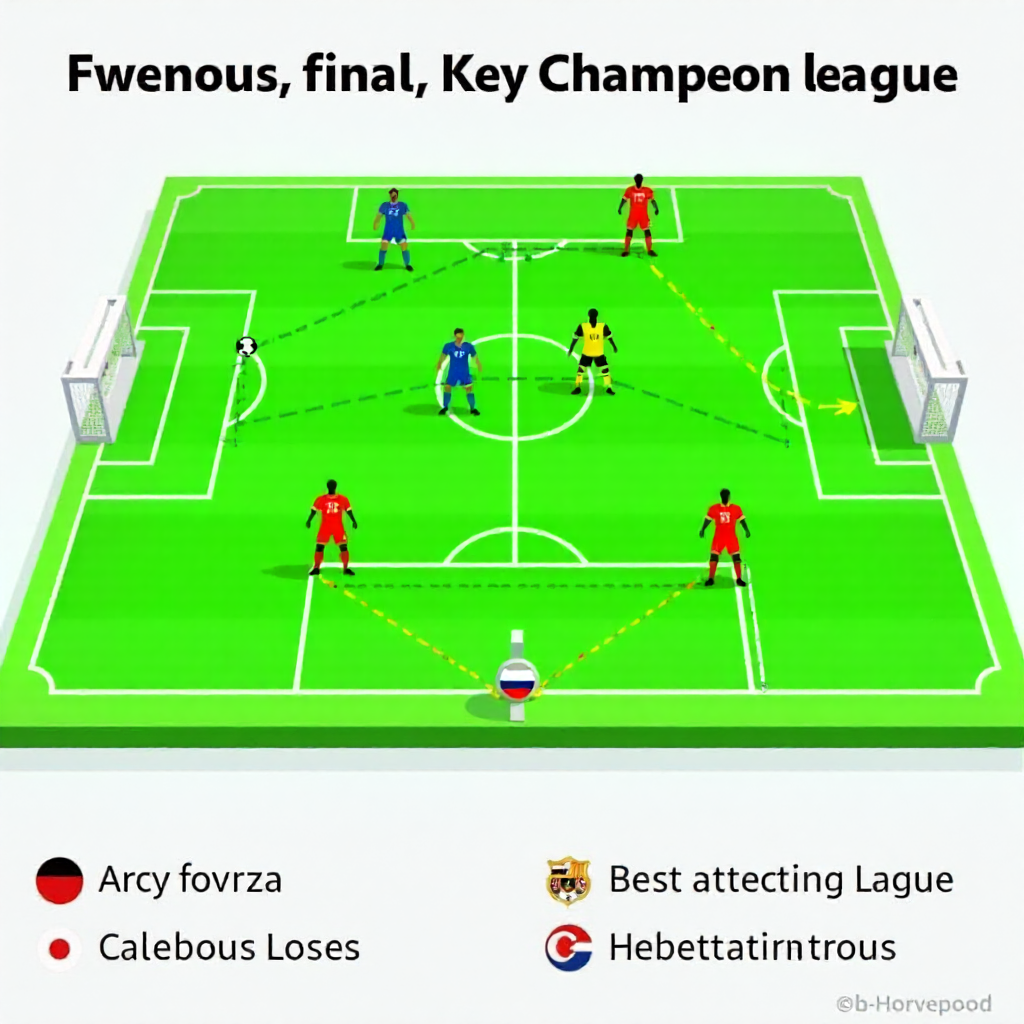
For more on tactical football concepts, see the Wikipedia article on tactical formations.